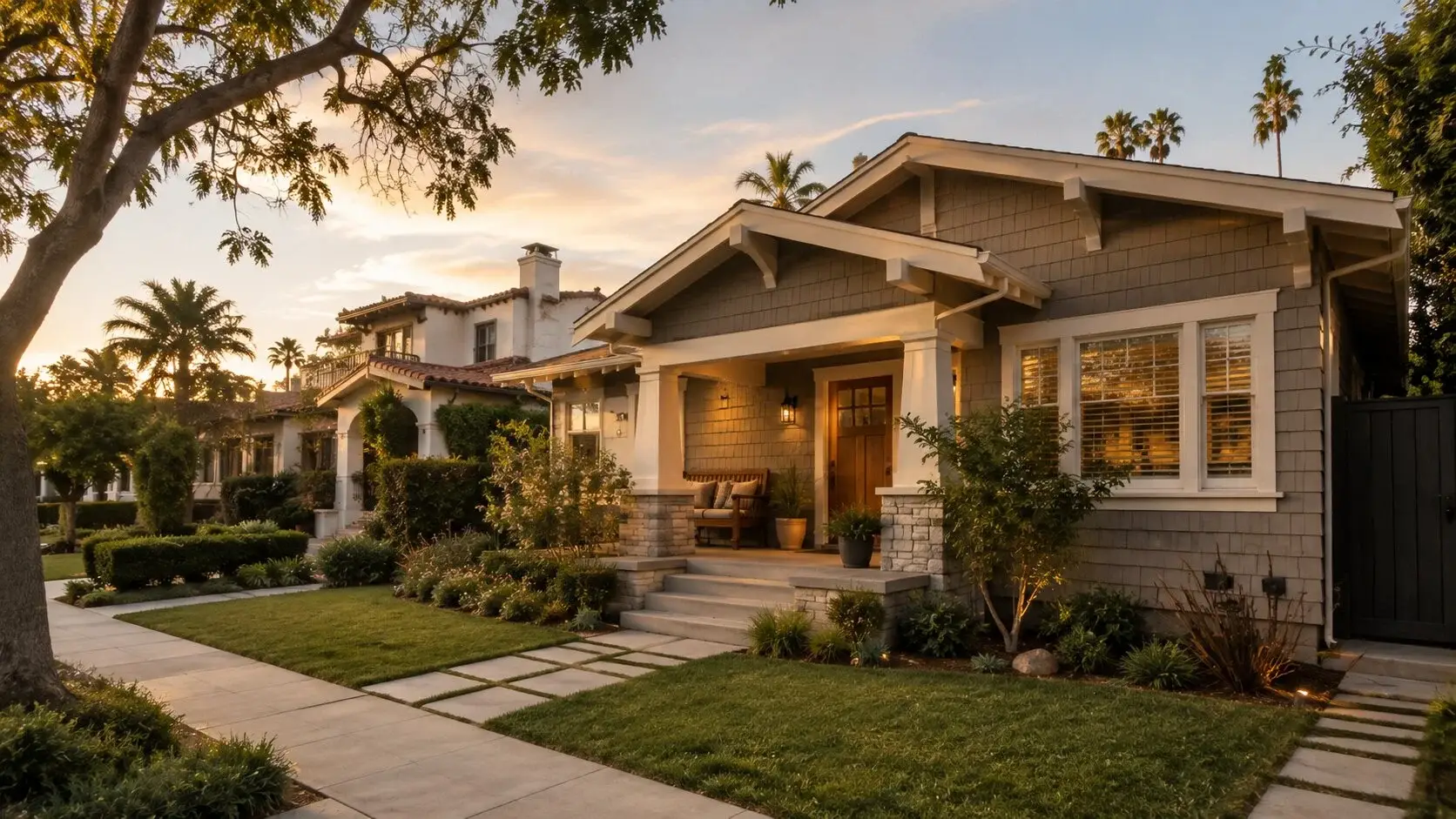
Buying a home in Los Angeles often begins with one important question: How much can you realistically afford?
The answer involves much more than looking at a home’s listing price or estimating what monthly mortgage payment seems comfortable. Los Angeles home affordability depends on your income, existing debt, down payment, financing options, property taxes, insurance, maintenance, closing costs, and the type of property you plan to purchase.
Your lender may approve you for a certain loan amount, but that does not necessarily mean spending the maximum amount is the right financial decision. A comfortable home budget should allow you to manage your mortgage and ownership expenses while continuing to save, invest, travel, handle emergencies, and maintain the lifestyle that matters to you.
Los Angeles makes this planning especially important because housing can vary dramatically between neighborhoods and property types. A condominium may have homeowners association fees, while a hillside residence may carry higher maintenance or insurance costs. A larger luxury property can create substantially different ongoing expenses than a smaller home with a similar purchase price.
Before beginning your search, establish a complete housing budget rather than focusing only on the amount you may be able to borrow.
Determine Your Realistic Los Angeles Home Budget
A useful home-buying budget begins with understanding your complete financial picture. Buyers should consider both lender qualification and personal comfort before deciding how much to spend.
Start With Your Monthly Cash Flow
Review your income alongside recurring expenses such as car payments, student loans, credit cards, childcare, insurance, subscriptions, and other financial obligations. Your housing payment will become one of your largest recurring expenses, so it should fit comfortably into the rest of your life.
Mortgage lenders generally examine your income, credit profile, assets, existing debts, and debt-to-income ratio when determining how much you can borrow. Qualification standards vary by lender, loan program, and financial circumstances, which is why an early conversation with a qualified mortgage professional can be helpful.
However, your personal budget should go further than lender calculations. Ask yourself whether the proposed payment would still feel manageable if your expenses increased, a major repair occurred, or your income temporarily changed.
A buyer who qualifies for an expensive home may ultimately prefer spending less to preserve greater financial flexibility.
Understand the Difference Between Purchase Price and Monthly Cost
Two homes with similar prices can create very different monthly expenses.
Your complete housing cost may include:
- Mortgage principal and interest: This is generally the largest part of the monthly payment and depends on your loan amount, interest rate, and loan structure.
- Property taxes: Taxes add to your annual ownership costs and should be incorporated into your budget from the beginning.
- Homeowners insurance: Premiums vary based on location, property characteristics, coverage, and insurer requirements.
- HOA dues: Condominiums, townhomes, and some communities may charge monthly or annual association fees.
- Maintenance: Landscaping, pools, mechanical systems, roofs, appliances, and routine repairs require ongoing funding.
Looking only at the mortgage payment can therefore give an incomplete picture of Los Angeles home affordability.
Set a Budget Before Touring Homes
It is much easier to maintain financial discipline when you establish a range before seeing properties.
Create three numbers: your comfortable purchase price, the upper end you would consider for an exceptional property, and the maximum you do not want to exceed.
This approach can help prevent emotional decisions when you find a home that feels perfect but requires significantly more financial commitment than you originally planned.
Understand Down Payments, Financing, and Cash Needed to Buy
The amount you can afford is influenced not only by your monthly income but also by the cash you have available before closing.
Buyers often focus on the down payment while overlooking other expenses that require funds during the transaction.
Decide How Much to Put Down
Down payment requirements vary depending on the mortgage program, purchase price, lender, and buyer profile.
A larger down payment can reduce the amount you need to finance and potentially lower your monthly mortgage expense. However, putting substantially more cash into a property can also reduce the money available for emergencies, investments, renovations, or other priorities.
The best down payment strategy depends on your overall financial position rather than one universal percentage.
Before deciding, consider how much cash you want to retain after closing. Homeownership often brings expenses shortly after purchase, especially if the property needs furniture, repairs, landscaping, technology upgrades, or renovations.
Budget for Closing Costs
Your down payment is not the only upfront expense.
Buyers should also plan for transaction-related costs that may include lender fees, appraisal expenses, escrow or settlement charges, title-related costs, inspections, prepaid insurance, and other property-specific expenses.
The exact amount varies by transaction, so ask your lender and real estate professionals for estimates early.
Keeping a separate closing-cost reserve can prevent you from using every available dollar for the down payment.
Compare Loan Options Carefully
Different mortgage structures can affect both your purchasing power and long-term cost.
A lower monthly payment does not automatically mean a loan is better. Buyers should understand the interest rate, loan term, whether the rate is fixed or adjustable, fees, prepayment considerations, and how the payment might change over time.
For higher-priced Los Angeles properties, buyers may also need financing designed for larger loan amounts. These loans can have different qualification and documentation requirements from standard mortgages.
Working with a lender experienced in the price range you are considering can make the process more efficient.
Protect Your Financial Position During Escrow
Once you are under contract, avoid making major financial changes without discussing them with your lender.
Large purchases, new credit accounts, additional debt, employment changes, or unusual transfers between accounts can potentially affect underwriting.
Keeping your financial profile stable during the transaction can reduce the risk of unnecessary financing complications before closing.
Calculate the Costs That Continue After You Buy
Affording a home means being able to own it comfortably after the keys are handed over.
This is especially important in Los Angeles, where maintenance, insurance, property type, and neighborhood conditions can create meaningful differences in ongoing expenses.
Build Maintenance Into Your Budget
Every property requires maintenance, but the amount varies significantly.
A smaller condominium may shift some exterior maintenance responsibilities to the homeowners association, while a single-family home may require the owner to handle everything from roofing and landscaping to plumbing and exterior repairs.
Luxury or specialty properties may involve even more systems.
Potential ongoing expenses include:
- Landscaping and pools: Larger outdoor areas, gardens, irrigation systems, pools, and spas can require regular professional servicing.
- Mechanical systems: Multiple HVAC units, elevators, gates, security systems, and home automation may need specialized maintenance.
- Hillside features: Drainage systems, retaining walls, decks, and slope-related elements may require additional monitoring and care.
- Long-term replacements: Roofs, appliances, windows, water heaters, and other components eventually need repair or replacement.
A property that fits your mortgage budget but leaves no room for maintenance may not be truly affordable.
Consider HOA Fees and Special Assessments
If you are purchasing a condominium or property within a homeowners association, review the association’s costs as part of your affordability calculation.
Monthly dues may cover certain amenities, landscaping, building maintenance, insurance, security, or other shared services.
Buyers should also review available association documents and ask about potential special assessments or major planned projects. A property with an attractive purchase price may become significantly more expensive if recurring fees or upcoming assessments are substantial.
Keep an Emergency Reserve
Avoid structuring the purchase so tightly that you have little cash remaining after closing.
An emergency reserve can help cover unexpected repairs, income changes, medical expenses, or other financial surprises without forcing you to rely immediately on high-cost debt.
The appropriate reserve depends on your circumstances, property type, employment stability, and risk tolerance.
Use Affordability to Guide Your Los Angeles Home Search
Once you understand your finances, translate the numbers into a realistic real estate strategy.
Rather than searching the entire Los Angeles market, focus on neighborhoods and property types where your budget aligns with your priorities.
Decide Which Features Matter Most
Most buyers make trade-offs.
You may choose between location and square footage, a renovated interior and a larger lot, or a condominium in one neighborhood and a single-family home farther away.
Before touring properties, identify the features that have the greatest impact on your daily life.
Your priorities may include commute time, privacy, outdoor space, views, architecture, parking, walkability, home-office space, or proximity to specific destinations.
A clear priority list prevents you from spending more simply because a property includes impressive features you may rarely use.
Get Preapproved Before Shopping Seriously
A mortgage preapproval can help you understand your financing range and make your offer more credible when you find the right property.
It can also reveal issues early, such as documentation requirements, credit concerns, or differences between the amount you expected to borrow and what a lender may currently approve.
Remember that preapproval is not the same as a final loan approval, and the amount offered by a lender should still be compared with your personal comfort level.
Review the Budget Again Before Making an Offer
When you find a home you want, update your affordability calculation using the actual property.
Consider the proposed purchase price, estimated mortgage payment, taxes, insurance, HOA fees if applicable, expected maintenance, immediate repairs, and cash remaining after closing.
This final review can help you make an offer with greater confidence rather than relying on a general budget created before your search began.
FAQs About Los Angeles Home Affordability
How Do I Know How Much House I Can Afford in Los Angeles?
Start by reviewing your income, existing debt, cash available for a down payment, expected closing costs, credit profile, and monthly living expenses. A lender can help determine your financing eligibility, but your personal affordability limit should also account for taxes, insurance, maintenance, savings goals, and the amount of financial flexibility you want after buying.
How Much Money Do I Need for a Down Payment in Los Angeles?
There is no single down payment requirement for every Los Angeles buyer because the amount depends on the loan program, purchase price, lender, and financial profile. Buyers should compare financing options and determine how much cash they can comfortably commit without eliminating important emergency or post-closing reserves.
What Monthly Costs Should I Include in My Home-Buying Budget?
Your budget should include mortgage principal and interest, property taxes, homeowners insurance, HOA fees when applicable, utilities, maintenance, and a reserve for future repairs. Property-specific costs such as pools, landscaping, security, or specialized mechanical systems should also be considered before deciding what is affordable.
Should I Spend the Maximum Amount My Lender Approves?
Not necessarily. A lender’s approval reflects financing criteria, while your personal budget should also consider lifestyle expenses, savings goals, income stability, future plans, and tolerance for financial risk. Many buyers choose to spend below their maximum approval amount to preserve greater flexibility.
Does a Higher Down Payment Make a Home More Affordable?
A higher down payment generally reduces the amount you need to borrow, which may reduce your monthly mortgage expense, but it also ties up more cash in the property. Buyers should compare the benefits of a larger down payment with the importance of maintaining reserves, investments, and funds for repairs or improvements.
Plan Your Los Angeles Home Purchase With Confidence
Understanding Los Angeles home affordability means looking beyond the listing price. Your real budget includes financing, taxes, insurance, closing costs, maintenance, HOA fees when applicable, and the cash you want to keep available after closing.
Start with your personal financial comfort level, then use lender guidance to understand your financing options. When you find a property, calculate the actual monthly and long-term ownership costs before making an offer.
Considering buying a home in Los Angeles? Contact us today for personalized real estate guidance and help identifying properties that align with your budget, lifestyle, and long-term homeownership goals.